
Are You Over-Improving Your Home? How to Spend Smart on Renovations
Are You Over-Improving Your Home? How to Spend Smart on Renovations
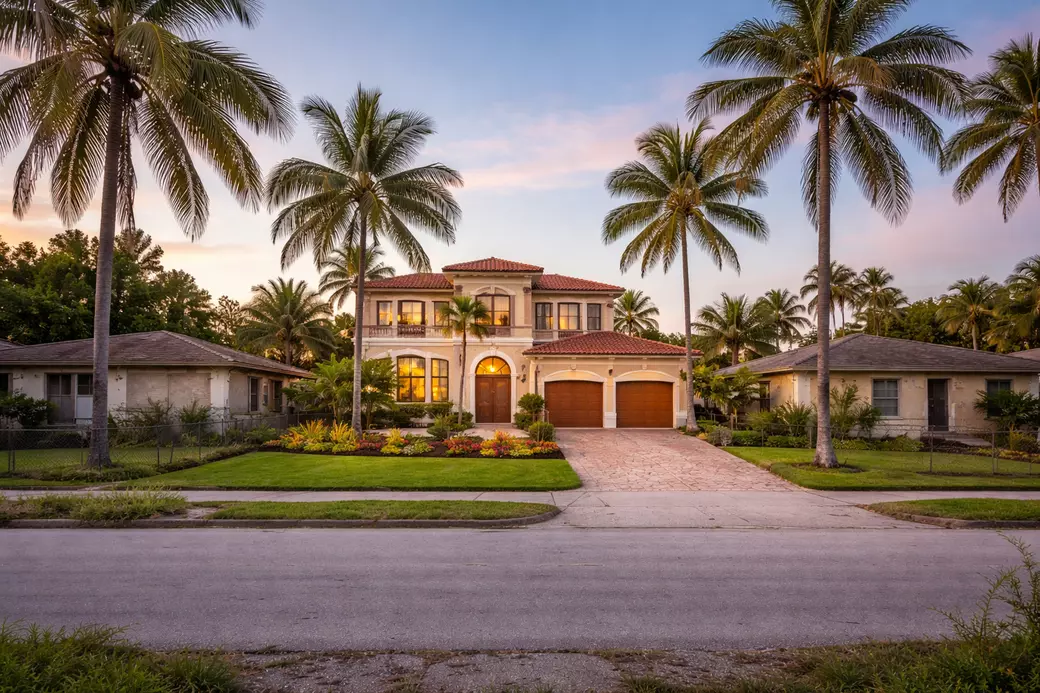
Homeowners love upgrades — new kitchens, bigger master baths, outdoor living spaces — but there’s a line between adding value and over-improving. When your renovation costs exceed the value it adds in your local market, you could end up spending more than you’ll ever get back.
What “Over-Improvement” Really Means
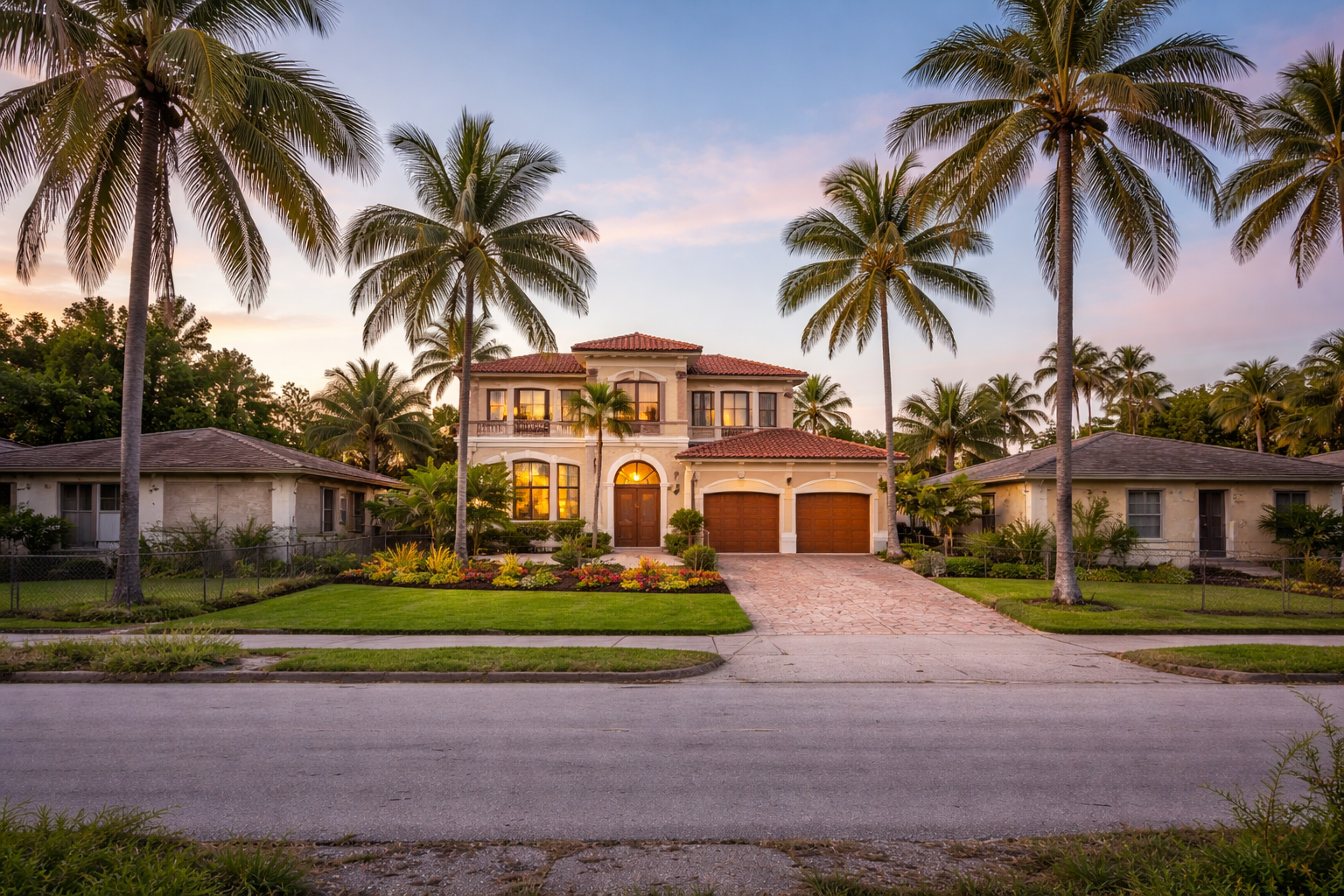
Over-improving happens when the cost of upgrades pushes your home’s potential value beyond what buyers in your neighborhood are willing or able to pay. It’s not just about how nice your renovation is — it’s about how it fits relative to the houses around you.
Why Over-Improvement Happens
-
Mismatch With Neighborhood Standards
Luxury features in a modest area don’t always translate into higher appraised value. Buyers base decisions on comparisons — if yours exceeds the local norm, there may be fewer buyers willing to pay for it. -
High Costs With Lower ROI
Some renovations are expensive but don’t deliver proportional market value increases. This is especially true for very customized or high-end finishes that appeal to a niche buyer. -
Market Limits
Every neighborhood has a value ceiling. Once improvements push your listing above that ceiling, the market may not reflect your investment in sale price.
Common Signs You Might Be Over-Improving
-
Your planned renovations exceed the quality or features found in recently sold homes nearby.
-
The projected increase in value after improvements doesn’t justify the cost.
-
Comparables (sold similar homes) don’t support the higher price you hope to achieve.
-
Buyer feedback suggests they don’t perceive enough added value for the price.
-
You intend to sell soon and the improvements won’t reflect in comps.
Renovations That Often Pay Off — and Those That Don’t
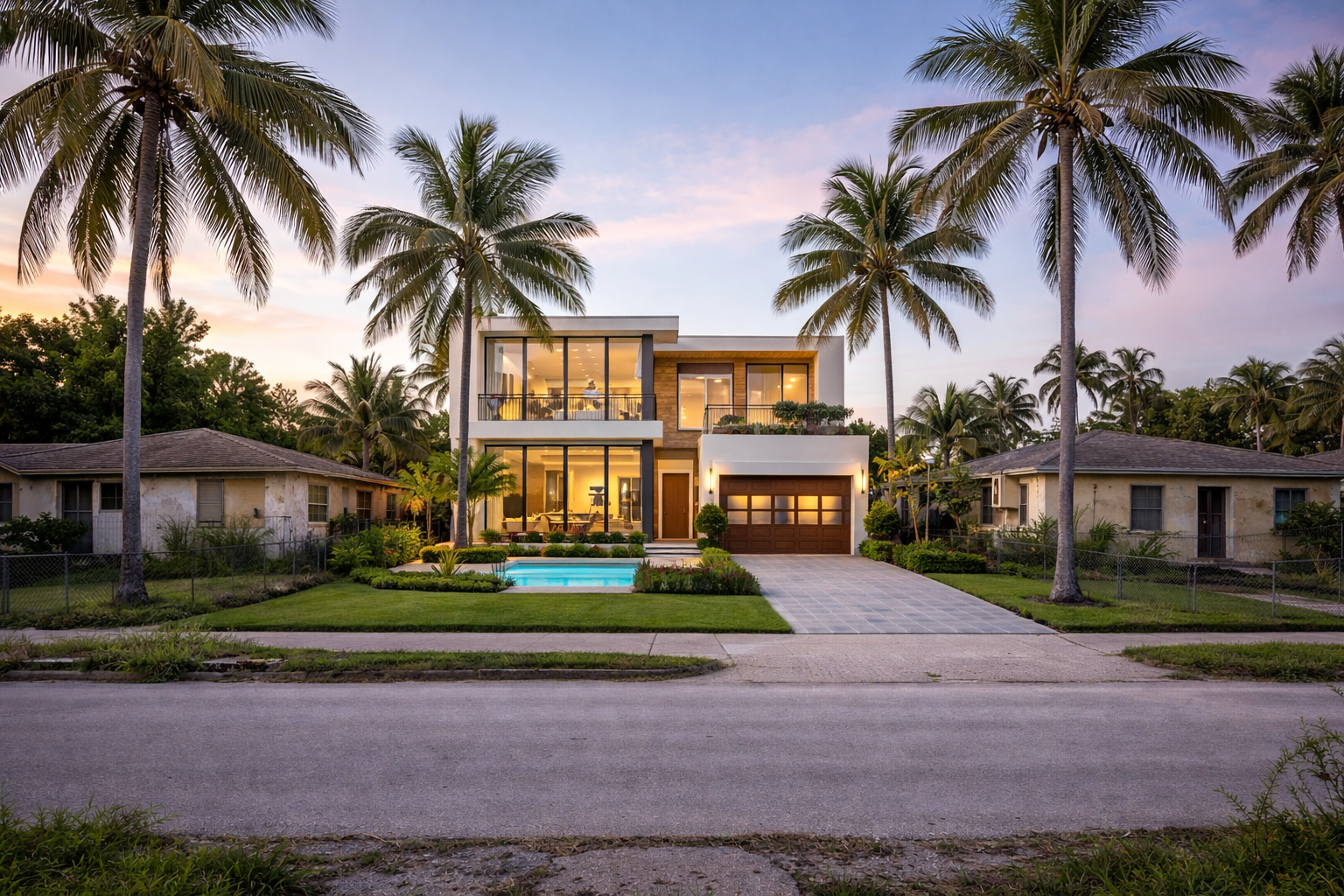
Some updates tend to deliver higher returns:
Better ROI Projects
-
Kitchen and bathroom updates
-
Minor kitchen remodels
-
Curb appeal enhancements
-
Energy-efficient improvements
Lower ROI / Riskier
-
Over-customized rooms or finishes
-
High-end upgrades far above neighborhood norm
-
Excessive square footage additions that skew pricing
Not all renovations are equal — and even commonly strong ROI projects can fail if they’re too luxurious for the area.
How to Avoid Over-Improving
Do a Neighborhood Reality Check
Study recent solds to understand typical home values and features.
Estimate ROI Before You Build
Factor in what buyers in your market truly value, not just what you enjoy.
Stay Within Market Norms
Keep quality and style within what buyers expect in your community.
Talk to Local Agents or Appraisers
They can help gauge what upgrades will move the needle for value in your specific area.
Balancing Enjoyment With Value
Over-improving isn’t always bad if you plan to stay in your home long-term and enjoy the space. In that case, the emotional and functional benefits may outweigh purely financial returns. But if resale is on the horizon, strategic spending aligned to the market is key.
Quick Summary
Over-improvement = spending more on renovations than the market will support.
It’s a challenge because you can love your upgrades — but buyers may not pay for them. Align improvements with neighborhood values, understand ROI, and plan according to your timeline and goals.
Categories
- All Blogs (25)
- Arabi (1)
- Best of Zillow (2)
- Boca Raton (11)
- boca raton realtor (7)
- Buyer Guide (5)
- Chalmette (1)
- Client Reviews (4)
- Cliff Melerine (7)
- Housing Boom (3)
- Housing Demand (4)
- Meraux (1)
- New York to South Florida (4)
- Number One Realtor (3)
- RealTrends Top Team (2)
- Relocation (13)
- South Florida Living (2)
- St. Bernard Parish (1)
- Tax Cuts (3)
- The Melerine Group (6)
- Top Realtor (1)
- Top Realtor in Boca Raton (6)
- West Boca (5)
Recent Posts